
Industry
Prospective clients researching neurofeedback or biofeedback rarely just ask 'do people like this clinic?' — they ask 'can I trust what this clinic says?'. Curofyx helps neurofeedback and biofeedback providers build credibility through genuine, evidence-led patient experiences rather than overstated health claims.
14-day free trial • No credit card required
Neurofeedback and biofeedback clinics face a reputation challenge most mainstream healthcare providers don't: prospective clients are often sceptical about the therapy itself before they even consider a particular practitioner. A clinic can have skilled practitioners and genuinely satisfied clients, yet still lose a prospective booking to doubt about whether the treatment works at all.
That scepticism shapes what reputation management has to do. In the UK, the Advertising Standards Authority and the Committee of Advertising Practice are explicit that testimonials are not a substitute for evidence — an objective health claim in a review or on a clinic's own marketing needs to be substantiated, and claims that a therapy can diagnose, treat or cure a medical condition carry strict requirements.
Curofyx helps neurofeedback and biofeedback clinics collect authentic, specific patient experiences — the kind that describe what a session actually involved rather than making a medical promise — monitor reputation across Google and Trustpilot, and draft responses that stay firmly on the right side of ASA/CAP guidance.
| Key Challenge | How Curofyx Solves This |
|---|---|
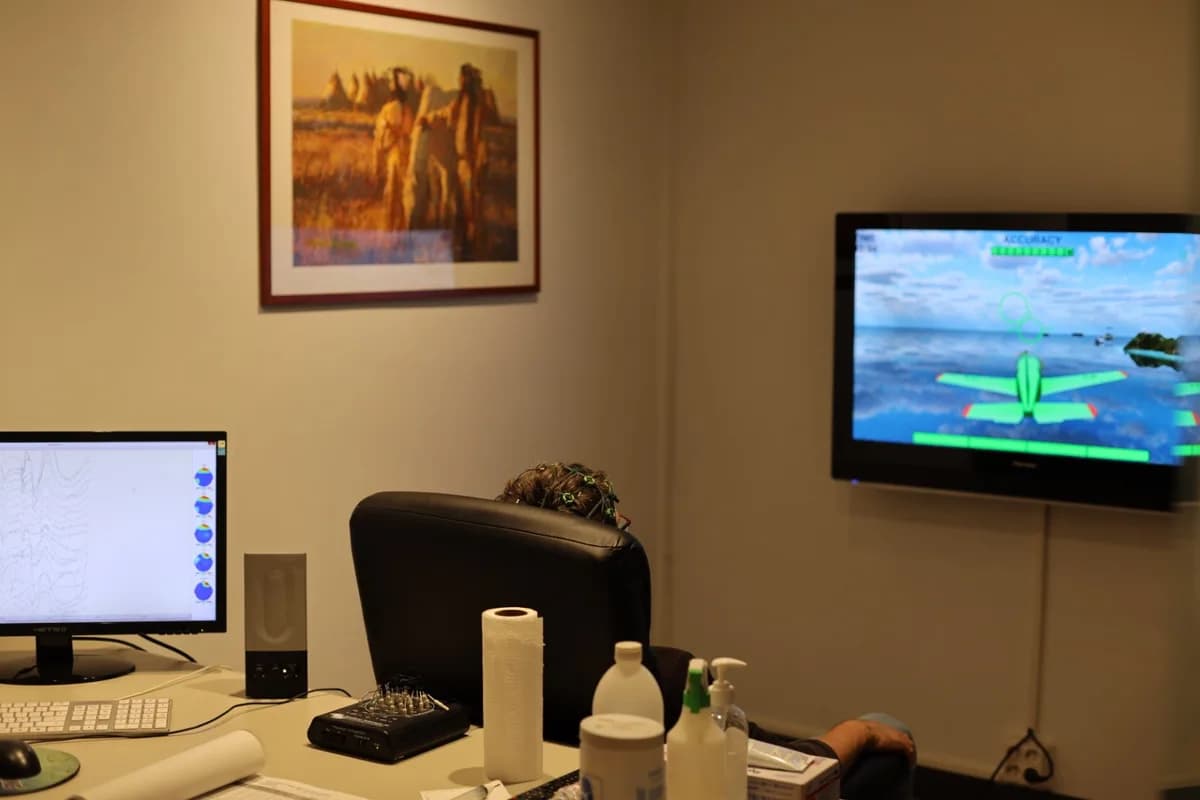
| Prospective clients are often sceptical of the therapy itself, not just the clinic | Collect reviews that describe the client's specific experience and environment rather than generic praise, which reads as more credible to a sceptical researcher. |
| A testimonial claiming a therapy 'cured' a medical condition can breach ASA/CAP advertising rules | AI-assisted review responses are written to avoid amplifying unsubstantiated health claims, keeping published content evidence-led rather than promotional. |
| An entirely flawless review profile can itself look suspicious to a sceptical audience | Automated, ongoing collection captures a natural spread of genuine feedback instead of a hand-picked set of five-star outcomes. |
| Clients researching neurofeedback often search for criticism of the therapy before booking | A consistent, transparent review presence gives a clinic its own voice in that research journey instead of leaving the conversation to third-party forums. |

Invite feedback automatically after sessions, timed around the client's actual treatment programme rather than a single visit.

AI-assisted replies that acknowledge client feedback without echoing or amplifying unsubstantiated treatment claims.

Track the platforms prospective clients actually check before booking a neurofeedback or biofeedback programme.

Identify and escalate critical feedback quickly, before it shapes how the next prospective client sees the clinic.

Understand which parts of the client journey — the consultation, the explanation, the environment — reviews mention most.

Compare reputation performance across practitioners and locations from one dashboard.
Neurofeedback and biofeedback sit in an unusually complicated marketing environment. Both are associated with brain activity, nervous-system regulation and mental wellbeing, and depending on the provider a prospective client may encounter claims relating to concentration, sleep, stress, anxiety or performance. That creates a distinctive search journey: someone finds a clinic through Google, reads the website, searches 'neurofeedback reviews', checks the Google Business Profile, and then often searches specifically for criticism of the therapy before deciding whether to book.
That second search is the one many clinics forget to plan for. A prospective client isn't only asking whether people like a clinic — they're asking whether they can trust what the clinic says about itself. A reputation strategy built entirely around glowing, generic testimonials can actually reinforce that doubt rather than resolve it.
The UK's Advertising Standards Authority and Committee of Advertising Practice have been explicit on this point: testimonials are not a substitute for evidence, and objective health claims in marketing need appropriate substantiation. A testimonial saying 'I felt calmer after my sessions' is a straightforward account of one person's experience. A testimonial saying 'this treatment cured my anxiety' is an objective efficacy claim, and CAP guidance treats claims that a therapy can diagnose, treat, help with or cure a medical condition as subject to strict requirements.
That distinction should shape how a neurofeedback or biofeedback clinic collects and publishes reviews. The safer, more durable reputation strategy is evidence-led: explain what the clinic offers, describe the client experience accurately, make practitioner qualifications clear, explain what a session involves, and publish genuine reviews without turning one person's outcome into a universal promise.
Reviews work best for neurofeedback and biofeedback clinics when they give a prospective client enough detail to understand the experience rather than just a star rating. A page of identical one-line comments doesn't tell a sceptical researcher much. A review describing how the first consultation was explained, what the session environment felt like, or how the practitioner answered questions is far more persuasive precisely because it reads as specific rather than promotional.
Counterintuitively, a flawless review profile can create its own scepticism. Prospective clients understand that therapy experiences vary, and a thoughtful review that mentions a limitation alongside a genuine positive can feel more credible than a long string of superlatives. Clinics that avoid cherry-picking only the most enthusiastic feedback tend to build more durable trust with exactly the sceptical audience neurofeedback attracts.
Negative or critical reviews need particularly careful handling in this space, because a defensive or overstated response can do more damage than the original review. A response that reiterates a health claim the original testimonial made, or that argues with a client's account of their own experience, both carries compliance risk and reads poorly to anyone else researching the clinic. AI-assisted response drafting can help practitioners reply professionally and consistently while staying within ASA/CAP-compliant, evidence-led language — with every draft reviewed by the practice before publishing.
Multi-practitioner neurofeedback and biofeedback clinics face an added layer of complexity, because reputation can vary meaningfully between practitioners offering what looks like the same service. Centralised monitoring and practitioner-level reporting help clinic leadership see where client experience is strong and where it needs attention, rather than relying on one blended, organisation-wide rating.
Curofyx brings automated, consent-based review collection, evidence-led AI-assisted response drafting, Google and Trustpilot monitoring, and patient sentiment analytics together in one platform built for the specific compliance and trust challenges neurofeedback and biofeedback providers face. For a clinic competing for sceptical, well-researched clients, that combination helps turn genuine client experiences into credibility — without ever overstating what the therapy itself can promise.
Discover tailored reputation management solutions for different healthcare practices, from dental and optical care to specialist and private healthcare services.
Patients choose opticians on trust, recommendations and online reviews before booking an eye test. Curofyx helps UK opticians collect more Google and Trustpilot reviews, respond faster, and build a stronger local reputation automatically.
Patients often spend days researching chiropractic and osteopathy clinics before booking their first appointment. Curofyx helps you build trust with consistent patient reviews, automated feedback requests and reputation management designed for UK healthcare practices.
Pet owners are among the most review-driven customers in the UK. Curofyx helps veterinary practices turn every positive visit into a trusted online review while responding quickly to sensitive feedback.
Join UK and US clinics growing their online reputation on autopilot. Start free — no credit card, no commitment.