GSTIN: 122287344983902H
GSTIN: 122287344983902H



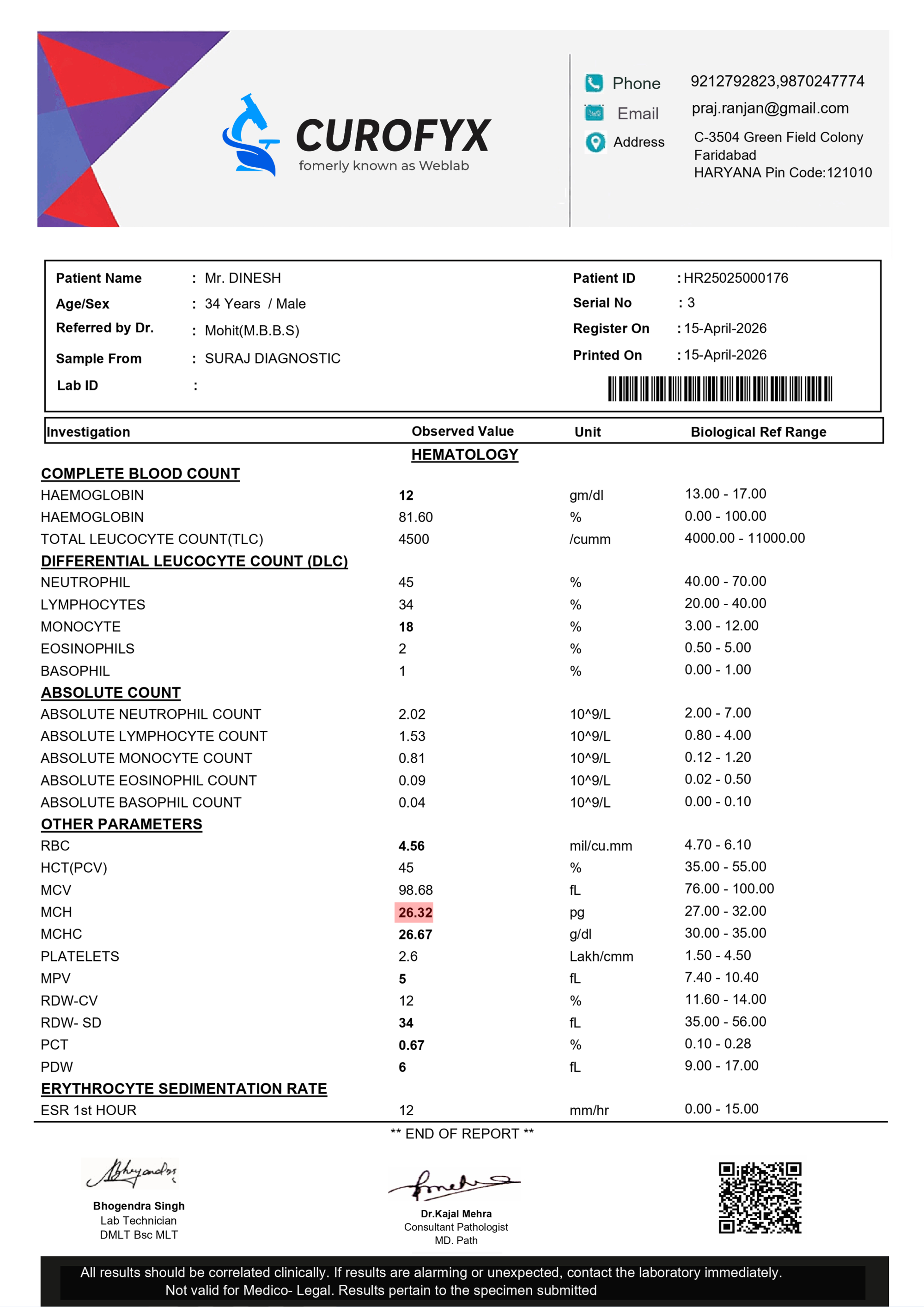
A Complete Blood Count (CBC) is a routine blood test used to assess overall health and detect conditions like infections, anemia, and blood disorders. It measures red and white blood cells, hemoglobin, hematocrit, and platelets, helping in diagnosis and monitoring treatment.
Hemoglobin
Differential Leukocyte Count
Platelet Count
Mean Platelet Volume (MPV)
Total RBC Count
Mean Corpuscular Volume (MCV)
Hematocrit (HCT)
Mean Corpuscular Hemoglobin (MCH)
Total Leukocyte Count
Mean Corpuscular Hemoglobin Concentration (MCHC)
A Complete Blood Count (CBC) is a common laboratory test used to evaluate overall health and detect a wide range of conditions. It measures different components of blood, including red blood cells (which carry oxygen), white blood cells (which help fight infections), hemoglobin (the oxygen-carrying protein), hematocrit (the proportion of red blood cells in blood), and platelets (which help in clotting). This test is often part of routine checkups and helps give a quick overview of how well the body is functioning.
A CBC is useful for diagnosing and monitoring various health issues such as anemia, infections, inflammation, and blood disorders. Abnormal values in the test can indicate underlying problems, prompting further investigation or treatment. Doctors also use CBC results to track the effectiveness of treatments or medications over time, making it an essential tool in both preventive and diagnostic healthcare.
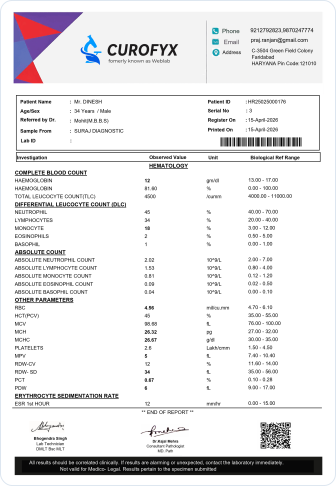
Here’s what an ideal Complete Blood Count (CBC) report format should include:
All CBC parameters should be presentsed in a well-structured tabular format with columns such as Test Name, Result, Unit, and Reference Range. Key parameters include:
Values falling outside the normal range should be highlighted (e.g., bold, color-coded, or flagged as High/Low) to improve readability.
Each parameter must include age- and gender-specific reference ranges for accurate comparison.
A brief interpretation section helps both clinicians and patients understand the results. Examples include:
Modern lab software can auto-generate these interpretations, improving clarity and consistency while saving time.

In Curofyx software, this is the inbuilt interpretation for Complete Blood Count (CBC)
A complete blood count (CBC) is used to evaluate overall health and detect a wide range of disorders, including anemia, infection, and leukemia. There have been some reports of WBC and platelet counts being lower in venous blood than in capillary blood samples, although still within these reference ranges.
| High | Low | |
|---|---|---|
| RBC, Hb, or HCT | Dehydration, polycythemia, shock, chronic hypoxia | Anemia, thalassemia, and other hemoglobinopathies |
| MCV | Macrocytic anemia, liver disease | Microcytic anemia |
| WBC | Acute stress, infection, malignancies | Sepsis, marrow hypoplasia |
| Platelets | Risk of thrombosis | Risk of bleeding |
Get a live 1-on-1 walkthrough tailored to your lab’s workflow and see how easily you can automate reporting, billing, and daily operations.
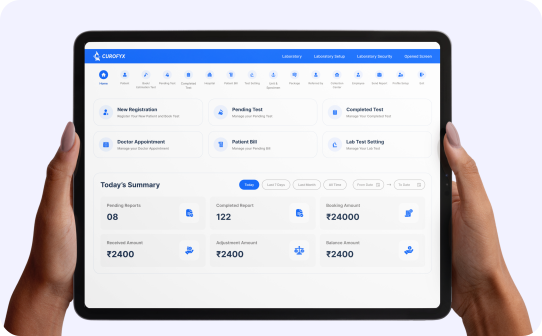
A complete pathology lab system to handle patient records, test workflows, automated reporting, billing, and instant report sharing all in one place.