GSTIN: 122287344983902H
GSTIN: 122287344983902H



A Urine Examination is a routine diagnostic test used to assess overall health and detect conditions related to the urinary tract, kidneys, and metabolism. It evaluates physical, chemical, and microscopic properties of urine, including parameters such as color, pH, protein, glucose, and the presence of cells or bacteria. Abnormal findings may indicate infections, kidney disorders, diabetes, or other systemic conditions. Urine examination is widely used for diagnosis, monitoring health conditions, and routine screening.
Color & Appearance
Blood (Hemoglobin)
pH
Specific Gravity
Protein
Red Blood Cells (RBCs)
Glucose
White Blood Cells (WBCs / Pus Cells)
Ketones
A urine examination is a routine test used to assess overall health and detect conditions related to the urinary tract, kidneys, and metabolism. It analyzes the physical, chemical, and microscopic properties of urine, including parameters like color, pH, protein, glucose, and the presence of cells or bacteria. This test helps identify infections, kidney disorders, diabetes, and other health issues, and is commonly used for diagnosis, monitoring, and general health screening.
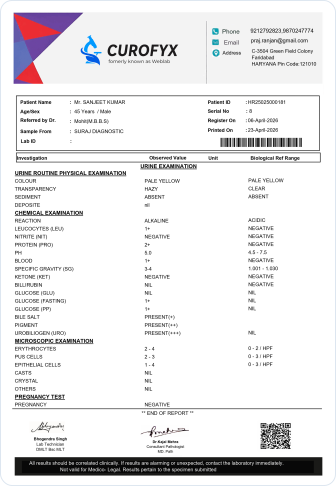
Here’s what an ideal Urine Examination report format should include:
All urine examination parameters should be presented in a well-structured tabular format with columns such as Test Name, Result, Unit, and Reference Range. Key parameters include:
Values falling outside the normal range should be clearly highlighted (e.g., bold, color-coded, or flagged as High/Low) to improve readability and quick clinical interpretation.
Each parameter must include appropriate reference ranges. Some values may vary based on age, gender, and laboratory standards, so accurate reference intervals are essential for proper interpretation.
A brief interpretation section helps both clinicians and patients understand the results. For example:
Modern lab software often auto-generates these interpretations, making reports more patient-friendly and reducing manual effort.

In Curofyx software, this is the inbuilt interpretation for Urine Examination
Elevated urinary protein levels can signal early kidney disease but may also rise due to strenuous exercise, orthostatic proteinuria, dehydration, urinary tract infections, or acute illness with fever.
Uncontrolled diabetes mellitus can lead to the presence of glucose in urine. Other causes include pregnancy, hormonal disturbances, liver disease and certain medications. Uncontrolled diabetes mellitus can lead to the presence of ketones in urine. Ketones can also be seen in starvation, frequent vomiting, pregnancy, and strenuous exercise.
Occult blood can occur in urine as intact erythrocytes or hemoglobin, which can occur in various urological, nephrological, and bleeding disorders. An increase in leukocytes is an indication of inflammation or infection in the urinary tract or kidneys.
The kidneys maintain the body's acid-base balance, and factors like acidosis, alkalosis, or certain foods can affect urine pH. Specific gravity increased indicates dehydration, glycosuria, or proteinuria. Decreased indicates excessive fluid intake, renal failure, or diabetes insipidus.
Get a live 1-on-1 walkthrough tailored to your lab’s workflow and see how easily you can automate reporting, billing, and daily operations.

A complete pathology lab system to handle patient records, test workflows, automated reporting, billing, and instant report sharing all in one place.