GSTIN: 122287344983902H
GSTIN: 122287344983902H



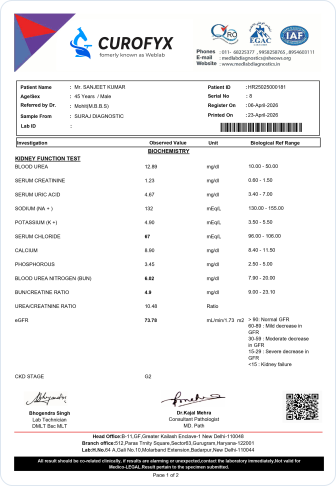
A Kidney Function Test (KFT) or Renal Function Test evaluates how well the kidneys are working. It measures waste products like urea and creatinine and assesses GFR to check filtration efficiency. The test helps diagnose kidney diseases and monitor kidney health. It also supports early detection and timely management of kidney-related conditions.
BUN
Serum Urea
Serum Creatinine
eGFR
eGFR Category
Serum Calcium
Serum Potassium
Serum Sodium
Serum Uric Acid
Urea / Creatinine Ratio
BUBUN / Creatinine RatioN
A Kidney Function Test (KFT), also known as a Renal Function Test, is a group of blood tests used to evaluate how effectively the kidneys are functioning. It measures waste products such as urea and creatinine, along with parameters like the glomerular filtration rate (GFR), which indicates how well the kidneys are filtering blood.
These tests play a crucial role in detecting kidney problems at an early stage, often before symptoms appear. They are widely used to diagnose kidney diseases, monitor ongoing conditions, and assess the impact of medications or chronic illnesses like diabetes and hypertension on kidney health. Regular KFTs help ensure timely treatment and better management of kidney-related issues.
Here’s what an ideal Kidney Function Test (KFT) report format should include:
All KFT parameters should be presented in a well-structured tabular format with columns such as Test Name, Result, Unit, and Reference Range. Key parameters include:
Values outside the reference range should be clearly highlighted or flagged (High/Low) for better readability and quick clinical interpretation.
Each parameter should include clinically accepted reference or desirable ranges (often based on guidelines). These may vary depending on risk category (e.g., general population vs. high cardiovascular risk). Including clearly defined ranges is essential for accurate assessment.
A brief interpretation section helps both clinicians and patients understand the results. For example:
Modern lab software often auto-generates these interpretations, making reports more patient-friendly and reducing manual effort.

In Curofyx software, this is the inbuilt interpretation for Liver Function Test (LFT)
Creatinine is a nitrogenous waste product formed in muscle from creatine phosphate. Endogenous production of creatinine is proportional to muscle mass and body weight.
| Causes of Increased Serum Creatinine Level | Causes of Decreased Serum Creatinine Level |
|---|---|
| 1. Pregnancy | 1. Pre-renal, renal, and post-renal azotemia |
| 2. Large amount of dietary meat | 2. Increasing age (reduction in muscle mass) |
| 3. Active acromegaly and gigantism |
GFR is measured to (i) detect suspected incipient kidney disease (i.e. early detection), (ii)monitor the course of established kidney disease, (iii) plan renal replacement therapy in advanced renal disease, and (iv) adjust the dosage of certain drugs which are nephrotoxic.
BUN/creatinine ratio is to discriminate pre-renal and post-renal azotemia from renal azotemia.
Get a live 1-on-1 walkthrough tailored to your lab’s workflow and see how easily you can automate reporting, billing, and daily operations.
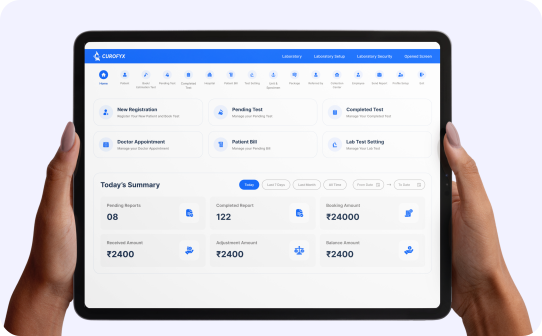
A complete pathology lab system to handle patient records, test workflows, automated reporting, billing, and instant report sharing all in one place.